Physical Address
96B Grimmer Road, Hamilton Waikato 5810
Physical Address
96B Grimmer Road, Hamilton Waikato 5810

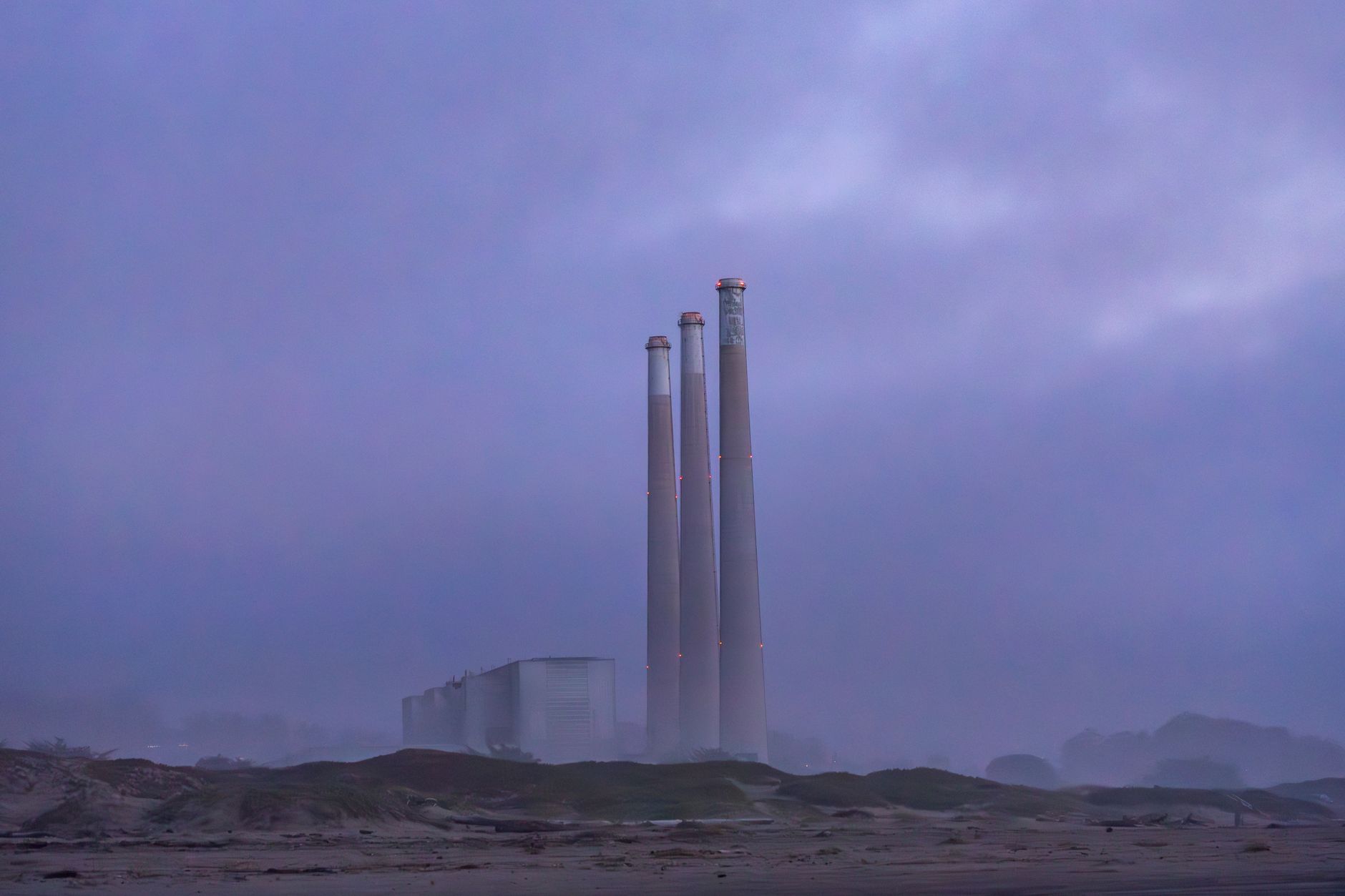
A plain-English breakdown of the New Zealand gas shortage 2026 crisis, exploring declining gas fields, electricity price spikes, and proposed LNG import solutions.
New Zealand is navigating an unprecedented shift in its national energy security. As legacy offshore gas fields decline faster than anticipated, discussions surrounding the New Zealand gas shortage 2026 outlook have moved from policy whitepapers directly to kitchen-table conversations across Auckland and the country. With major industrial players like Methanex scaling back operations to release gas into the domestic electricity market, understanding the root causes and future implications is essential for every Kiwi energy consumer.
For decades, New Zealand relied heavily on major offshore gas fields such as Pohokura, Maui, and Kupe to power domestic industries, generate peak electricity, and supply homes. However, natural depletion combined with lower-than-expected field yield has led to a steep decline in domestic gas deliverability.
While most New Zealanders associate electricity with renewable sources like hydro dams and wind farms, natural gas plays a critical role as a “peaker” fuel. When hydro lake levels drop during dry winters or wind speeds decline, gas-fired power stations step in to stabilize the national grid.
Because cheap gas is scarce, power generators are forced to burn more expensive coal at the Huntly Power Station or bid higher in the wholesale market. The result is a sharp rise in wholesale spot prices, which ultimately trickles down to household power bills across the country.
To prevent energy blackouts and stabilize wholesale electricity rates, the New Zealand government and energy sector stakeholders are actively discussing importing Liquefied Natural Gas (LNG). Installing an LNG import terminal—likely an offshore Floating Storage and Regasification Unit (FSRU)—could provide a reliable buffer during energy shortages.
As New Zealand moves toward 2026, energy affordability and reliability will remain central topics. Businesses reliant on thermal energy face increased operating expenses, while residential consumers may see higher electricity tariffs during peak winter periods. Accelerating renewable energy storage—such as large-scale batteries and pumped hydro—remains the long-term solution, but natural gas supply will remain a critical bridging fuel for the foreseeable future.