Physical Address
96B Grimmer Road, Hamilton Waikato 5810
Physical Address
96B Grimmer Road, Hamilton Waikato 5810

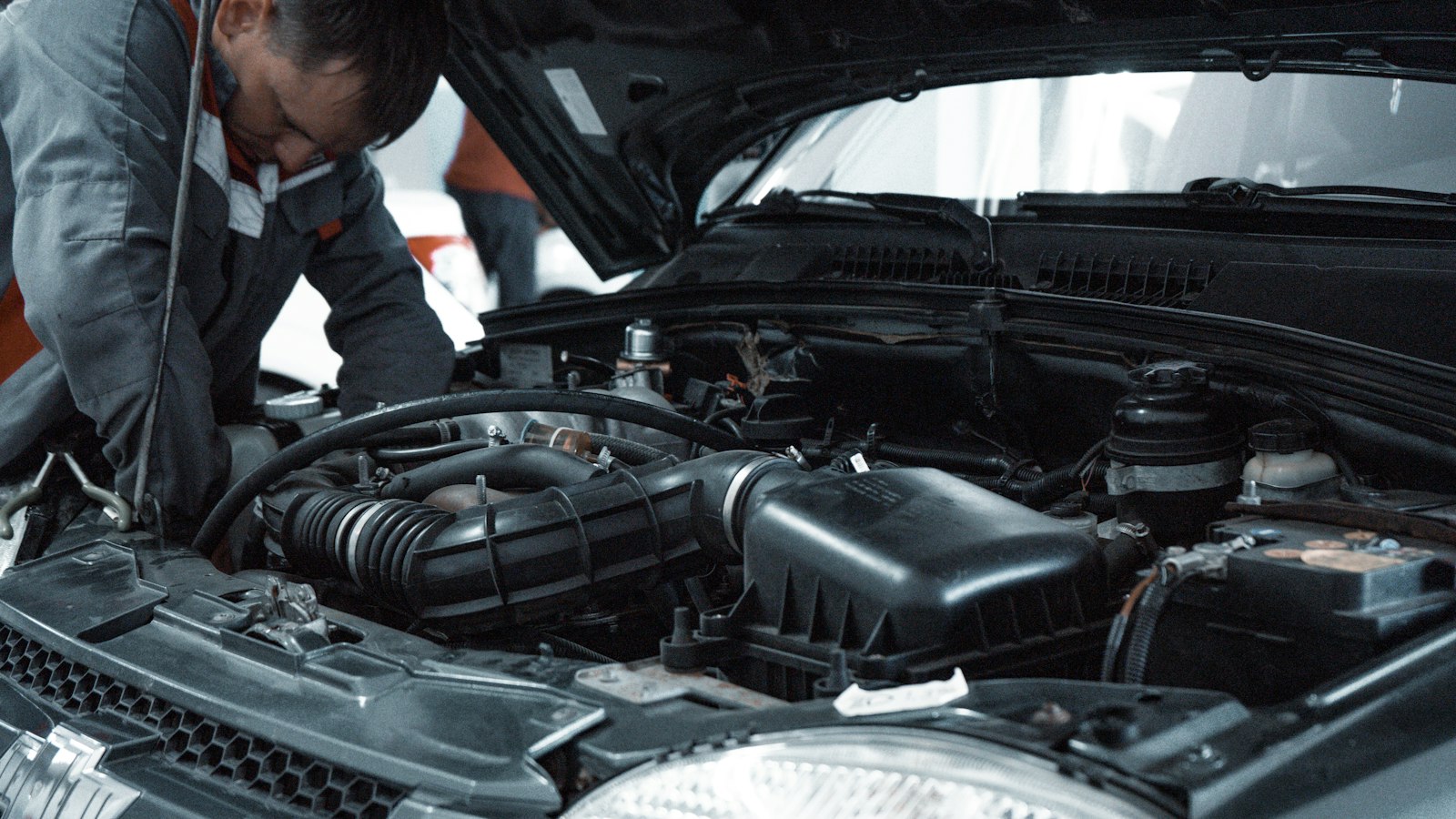
For many Indians settling in New Zealand, a used car is the first big purchase after landing. Public transport outside the main centres is limited, and a car often decides which jobs and suburbs are realistic. But a used car can also hide expensive problems, from unpaid finance to flood damage. The good news: New Zealand has some of the best free checking tools in the world, and most checks take less than an hour. Here is what to run through before you hand over any money.
Before you look at a single panel or tyre, check the documents. Consumer Protection's used-car checklist starts here for a reason: paperwork problems are the cheapest to spot and the most expensive to ignore.
Every car should have a current warrant of fitness (WoF) and a current licence, usually called the rego. A WoF is a basic safety inspection, not a guarantee of condition, but an expired or very recent WoF tells you something. Ask for service receipts too. A car with a stack of regular service records has usually been looked after.
If you are buying from a registered motor vehicle trader, the car must display a Consumer Information Notice (CIN). The CIN lists the seller's details, whether there is money owing on the car, whether it was imported as a damaged vehicle, and the total price to get it on the road. The dealer must give you a signed copy. Keep it, because it is your evidence if problems show up later. Private sellers do not have to provide a CIN, which is one reason private sales carry more risk.
This is the check new migrants miss most often, and it is the one that can cost you the whole car. If a previous owner bought the car on finance and still owes money, the finance company can repossess it, even from you, the innocent buyer. Whether or not the debt was disclosed makes no difference.
The check is done on the Personal Property Securities Register (PPSR), run by the Companies Office. Search by the car's registration number, VIN, or chassis number; entering more than one identifier widens the search. There is a small fee per search, payable by card or internet banking. Do this check on the exact car you are buying, the same day you pay, not on a similar car and not a week earlier.
A clean PPSR result only means no registered finance. It does not tell you whether the car was written off, flood damaged, or stolen. For that, Consumer Protection points buyers to the NZ Transport Agency's written-off and damaged vehicle information and its guidance on water-damaged vehicles. Vehicle history report providers combine these databases into one paid report, which can be worth it for an expensive car.
Watch the odometer as well. If the reading looks low for the car's age, or the wear on the seats, pedals and steering wheel does not match the number, walk away or get a professional opinion.
See the car in daylight, on level ground, with a cold engine if possible. A warm engine can hide starting problems. On the test drive, listen for knocking or whining, check that the car brakes straight, and try every switch and window. Consumer Protection's checklist also suggests asking directly about previous water damage, and for used EVs, getting a battery state-of-health test and checking the charging cable meets safety standards.
Take your time here. A seller who rushes the viewing or will not allow a test drive is telling you something.
Whatever your own checks show, a pre-purchase inspection by a qualified inspector is the strongest protection you can buy. VTNZ and other providers offer pre-purchase assessments that check whether the car is mechanically and structurally sound, including things most buyers cannot see, like accident repairs and chassis condition. For a car worth several thousand dollars, an inspection fee is cheap insurance. If a seller refuses an independent inspection, treat that as your answer.
Buying from a dealer gives you real protection. The Consumer Guarantees Act requires vehicles sold by traders to be of acceptable quality, and the CIN rules add disclosure duties on top. Buying privately gives you very few rights; if the car turns out to be a lemon, your options are limited and slow. Neither path is wrong, but the price difference should reflect the difference in protection.
Run through the final steps in order. Confirm the PPSR search is clear and current. Confirm the inspection found nothing serious, or negotiate the price around what it found. Check the seller's ID matches the registered person's details. Then pay in a way that leaves a record, and keep the CIN, receipts and inspection report together. Finally, let the NZ Transport Agency know you bought the car so the ownership record moves to your name.
If you are still working out the bigger picture, our guide to buying your first used car in New Zealand covers the buying process itself, from budgeting to transfer. New arrivals juggling other setup tasks may also find our guides on getting an IRD number and reading your first New Zealand payslip useful for the paperwork that comes with the first job.
Sources: Consumer Protection New Zealand, "Before buying a used car" and "Pre-purchase inspections and checks" (consumerprotection.govt.nz, accessed 25 November 2026); Personal Property Securities Register, "Searching for a motor vehicle" (ppsr.companiesoffice.govt.nz, accessed 25 November 2026); VTNZ Pre-Purchase Assessments (vtnz.co.nz, accessed 25 November 2026).