Physical Address
96B Grimmer Road, Hamilton Waikato 5810
Physical Address
96B Grimmer Road, Hamilton Waikato 5810
Last checked 20 November 2026 against Waka Kotahi NZTA's buying-a-vehicle and change-of-ownership guidance, the Personal Property Securities Register (PPSR) help pages, and Consumer Protection's car-buying guidance. This is general information, not legal advice for your specific purchase.
For most newcomers, the first big purchase in New Zealand is not furniture or a phone plan. It is a used car. Outside the biggest city centres, a car is how you get to work, and the second-hand market is where nearly everyone starts. The good news: New Zealand has clear rules about who protects you, what the seller must tell you, and what you must do after the keys change hands. The catch: those rules change completely depending on where you buy, and the most expensive mistakes all happen before you pay.
This is not another licence-conversion guide. This is the checklist that matters in the hour before money moves, and the one legal duty most buyers forget in the week after.
Buy from a registered motor vehicle trader and the law works for you. Dealers must be registered, the Consumer Guarantees Act entitles you to a car of acceptable quality and fit for purpose, and the Fair Trading Act bans misleading claims. Every car a dealer offers must carry a Consumer Information Notice (CIN) showing the price, odometer reading, year and make, and whether money is owing on the vehicle. If the dealer belongs to the Motor Trade Association, its mediation service is another layer of help when a dispute starts. You can check any seller against the Motor Vehicle Traders Register before you visit the yard.
Buy privately and almost none of that applies. No Consumer Guarantees Act, no Fair Trading Act, no CIN card. The car is effectively sold as-is, and your protection is whatever checking you did before handing over the money. Private sales are where most newcomers find the cheaper prices, and also where the expensive surprises live.
A used car can have an unpaid loan attached to it, and the debt follows the car, not the borrower. If the previous owner stops paying, the finance company can repossess the vehicle from you, even though you paid a fair price in good faith.
The defence takes minutes. The Personal Property Securities Register lets you search by the car's VIN, chassis number or registration plate before you agree to buy. A clean result means no registered security interest. A registered trader is required to tell you if money is owing; a private seller may not know, or may not say. Either way, the search is on you, and it should happen before any deposit, not after.
Three Waka Kotahi rules decide what the car costs you after the sale:
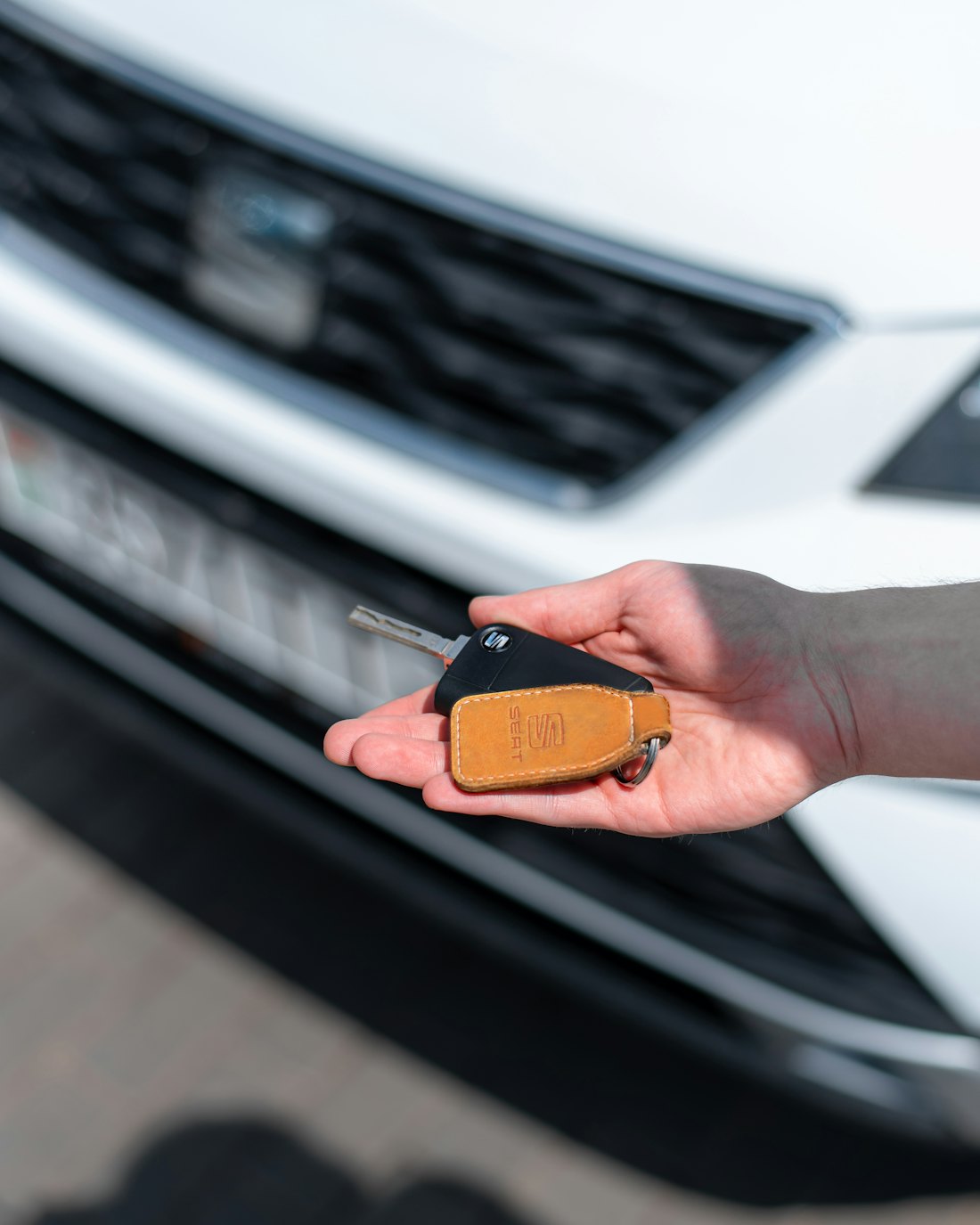
Here is the part that surprises people. NZTA does not record who legally owns a vehicle. It records the registered person on the Motor Vehicle Register, and the law requires both sides to act: the buyer and the seller must each tell Waka Kotahi straight away when a vehicle changes hands, and the change is only complete when both have done their part.
As the buyer, you do it online at the time of sale using your New Zealand driver licence. If you are buying as a company or you do not yet hold a New Zealand licence, you go through an NZTA agent instead. Once you have notified, NZTA sends you a Certificate of registration (MR3). Do not leave the seller's driveway without doing your side, and make sure the seller does theirs, because fees and notices follow the registered person on record.
Being the registered person carries ongoing duties: keeping the vehicle safe to be on the road, paying the rego and any road user charges, keeping your contact details up to date, and telling NZTA when the vehicle changes hands again. When you eventually sell, the same two-sided notification protects you from everything the next owner does with the car.
If something still goes wrong, start with Consumer Protection's guidance. Dealer disputes can go to the dealer first and then to MTA mediation where the dealer is a member. Private-sale disputes have far narrower options, which is exactly why the checks above all happen before you pay, not after.
The one-line version: in New Zealand the sticker price is the beginning of the conversation. Check the debt, the WoF, the rego and the RUC before you pay, and do the registered-person notification before you drive away.
Sources: NZTA – Buying a vehicle · NZTA – Change of vehicle ownership · PPSR – How the PPSR can help when buying used goods · Consumer Protection – Buying a car privately · Consumer Protection – Buying a car from a dealer
Related on Elvion Pulse: Converting an Indian Driving Licence to a New Zealand Licence: 2026 Guide · Indians in New Zealand: Start Here – All Our Guides in One Place