Physical Address
96B Grimmer Road, Hamilton Waikato 5810
Physical Address
96B Grimmer Road, Hamilton Waikato 5810

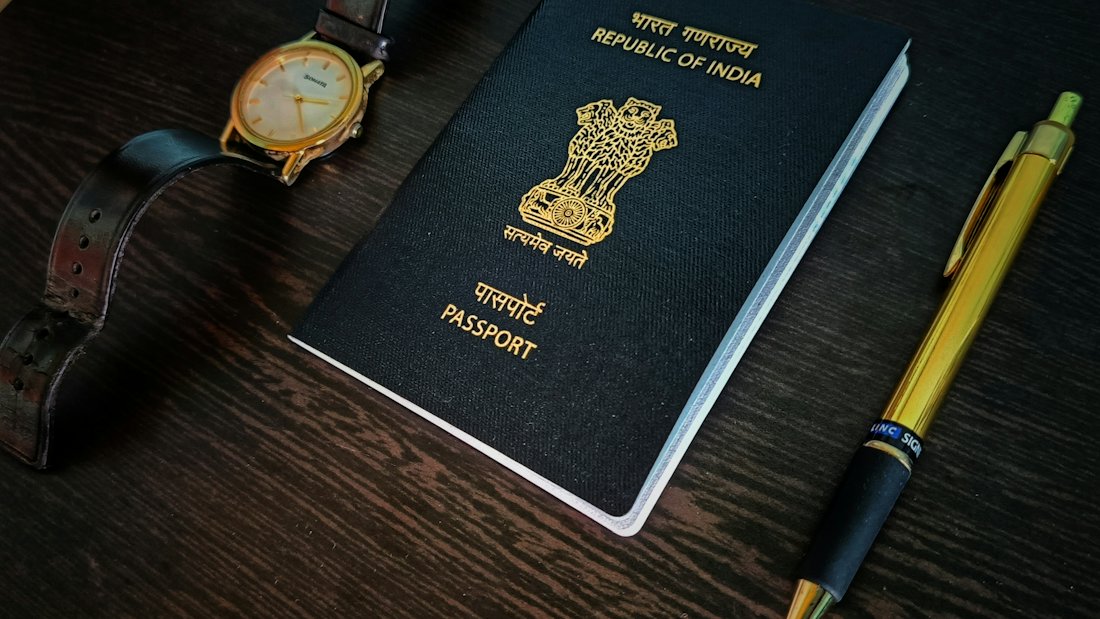
Last checked 19 November 2026 against Inland Revenue's tax residency guidance and temporary tax exemption page, and Immigration New Zealand's definition of a resident visa. Tax residence depends on your own facts, and this guide explains the rules without giving you a personal verdict. When in doubt, get individual advice.
Ask a room of new migrants who is "resident" in New Zealand and you will get two different answers, because there are two different questions hiding inside the word. Immigration New Zealand decides whether you may live here. Inland Revenue decides whether New Zealand taxes you as a resident. The two systems use different tests, run on different clocks, and regularly disagree about the same person on the same day.
Mixing them up is expensive in both directions: people on temporary visas who assume they are "not residents" and skip filing, and resident visa holders who assume their tax obligations follow their visa and get surprised years later. Here is how the two actually work.
Your visa is an immigration answer. Under Immigration New Zealand's rules, the holder of a resident visa is entitled to stay in New Zealand indefinitely, and to work and study here. Work, student and visitor visas are more limited permissions. They say what you may do and for how long.
None of that says anything about tax. Immigration New Zealand does not test your days for tax purposes, and Inland Revenue does not ask what your visa sticker says. A person on an 18-month work visa and a person holding a resident visa are both just "individuals" to the tax residency tests.
Inland Revenue treats you as a New Zealand tax resident if either of two tests is met:
There is a carve-out for genuine short visits: a "non-resident visitor" who is in New Zealand for up to 275 days in any 18-month period, is not working for a New Zealand payer, is lawfully here and remains a tax resident somewhere else, keeps non-resident tax status despite the day count, as long as no permanent place of abode is established here.
Leaving works on its own rule too. A tax resident becomes a non-resident taxpayer only when they no longer have a permanent place of abode in New Zealand and have been away for more than 325 days in any 12-month period. Keeping a home here can keep you tax-resident long after you have moved overseas.
Put the two systems side by side and the traps are obvious:
New migrants and returning New Zealanders get one important softener. If you qualify as a tax resident and were not a New Zealand tax resident at any time in the previous 10 years, you are automatically a "transitional tax resident". For roughly four years, most types of overseas income (foreign interest, dividends, foreign investment fund income, overseas rent) are exempt from New Zealand tax even though you are a tax resident.
The details matter: you can only have the exemption once; income from employment or personal services performed overseas is not exempt; and the exemption ends early if you or your partner apply for Working for Families (including Best Start), if you include exempt income in an IR3 return, or if you tell IRD you no longer want it. Foreign superannuation lump sums run on their own four-year rule. After the exemption ends, New Zealand taxes your worldwide income in full.
Some situations should go straight to a tax professional rather than a checklist: foreign rental property or investments, lump-sum pension withdrawals, returning after years away, applying for Working for Families during the transitional period, or earning overseas income while living here. New Zealand also has double tax agreements, including one with India, that can give full or partial relief when both countries tax the same income, but how a DTA applies is a facts-and-circumstances question.
IRD itself publishes a tax residence questionnaire (IR886) and a new-migrant residence guide for working through your own position. Use them, and where the answer moves real money, pay for advice once rather than penalties later.
The one-line version: your visa tells you whether you may be here. The day count and your ties tell Inland Revenue whether New Zealand taxes you as one of its own. Keep the two in separate boxes and you will avoid the most common, and most avoidable, newcomer tax mistake.
Sources: Inland Revenue: Tax residency status for individuals · Inland Revenue: Temporary tax exemption (transitional tax residence) · Immigration New Zealand: RA1.1 Currency and nature of a resident visa
Related on Elvion Pulse: How to get an IRD number after arriving in New Zealand · New Zealand visa types guide for Indians