Physical Address
96B Grimmer Road, Hamilton Waikato 5810
Physical Address
96B Grimmer Road, Hamilton Waikato 5810

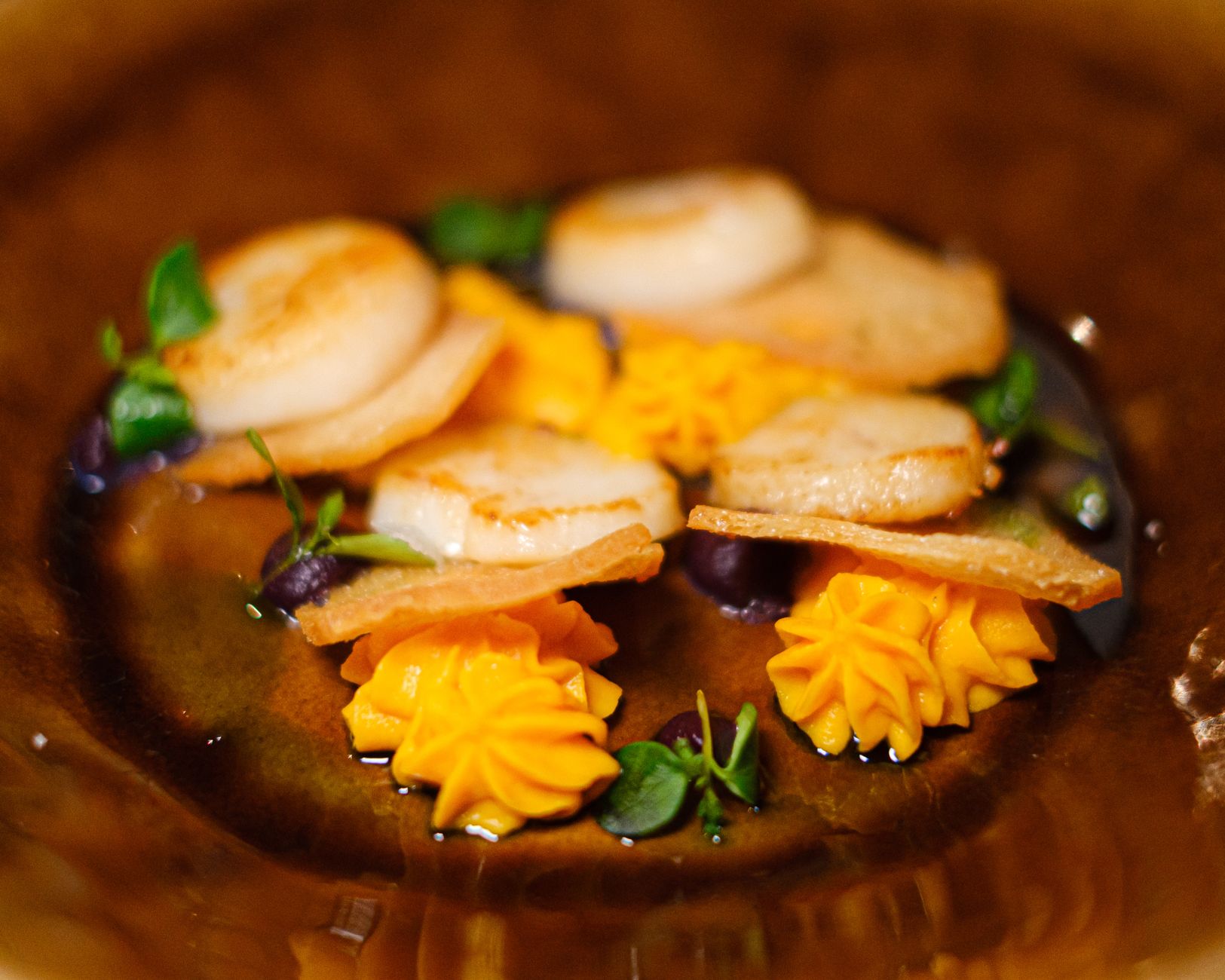
A seven-year $5 million ocean restoration project uniting Government, iwi, and fishing businesses is actively rebuilding marine habitats across Tasman and Golden Bays.
The pristine marine waters of Tasman and Golden Bays at the top of New Zealand’s South Island were once home to one of Aotearoa’s most lucrative wild shellfish fisheries. Decades of intensive dredging, heavy sedimentation, and changing marine conditions led to severe ecological collapse, forcing long-term fishery closures to preserve surviving stock. Today, a landmark seven-year, $5 million environmental and economic initiative is generating vital momentum for the NZ scallop fishery restoration 2026 roadmap.
Unlike historic management efforts that relied primarily on fishing bans, this comprehensive restoration project actively rebuilds damaged benthic habitats. The project brings together the Ministry for Primary Industries, commercial fisheries, marine scientists, and local iwi in a unified effort to rehabilitate the sea floor.
The collapse of the Southern scallop population served as a crucial wake-up call for New Zealand’s seafood industry. By pioneering restorative aquaculture alongside wild fishery management, the partnership aims to create a durable template for high-value marine resource stewardship. A thriving scallop ecosystem not only supports localized biodiversity but also lays the foundation for high-value, low-impact economic returns for coastal communities in the future.
As scientists track shellfish density and benthic biodiversity improvements across Tasman Bay, early metrics demonstrate encouraging habitat recovery. Reaching key environmental milestones through 2026 will determine when limited, non-destructive harvesting can safely resume, ensuring the long-term survival of New Zealand’s iconic Southern scallops.